
AI Workflows for SMEs: Practical Applications Beyond the Hype
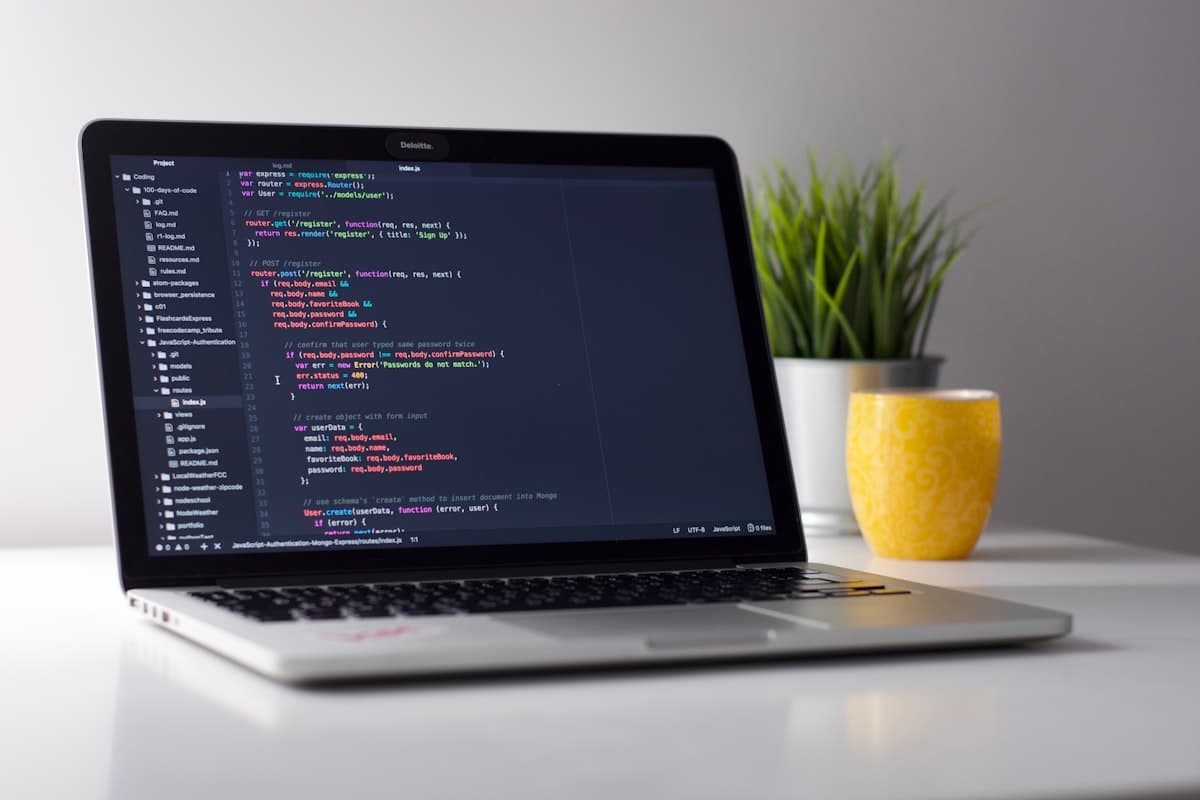
How intelligent agents and AI can genuinely improve your operations without the buzzwords.
Skip the Hype, Keep the Useful Parts
Every vendor is selling AI right now. Most of what they're selling is a chat box bolted onto software you already own.
Meanwhile, there are three or four AI applications that genuinely save Malaysian SMEs real money today. They're unglamorous. They work. Here's what they're, roughly what they cost, and how to tell whether they apply to you.
1. Document Extraction
The problem: Someone in your office retypes information from PDFs into a system. Supplier invoices, delivery orders, purchase orders, bank statements, claim forms.
Why AI helps: Modern document models read a scanned invoice and return structured data — supplier name, invoice number, line items, tax, total — with high accuracy on typical Malaysian supplier documents. Older OCR needed rigid templates and broke whenever a supplier changed their layout. Current models don't.
Realistic setup: Extraction runs automatically; anything below a confidence threshold is flagged for a human to check. Your staff stop typing and start reviewing exceptions.
What it costs: RM15,000 - RM40,000 to build, plus a few sen per document processed.
Where it pays back: If you process more than roughly 300 documents a month, usually inside a year.
2. Customer Enquiry Triage
The problem: Your team answers the same twenty questions constantly. Delivery timelines, warranty terms, stock availability, opening hours, invoice copies.
Why AI helps: A model connected to your actual documentation can answer routine questions correctly and — more importantly — recognise when it shouldn't answer and hand over to a person.
The critical detail: Ground it in your own content. A model answering from general knowledge will confidently invent your return policy. A model restricted to your documents won't.
Realistic setup: Handles 40-60% of incoming enquiries end to end. Everything else routes to a human with the conversation history attached.
What it costs: RM12,000 - RM35,000 to build, RM200 - RM1,500 per month to run depending on volume.
3. Demand and Inventory Forecasting
The problem: You order stock on instinct. Sometimes you run out of a fast mover, sometimes you sit on six months of a slow one.
Why AI helps: With two or more years of sales history, a forecasting model picks up seasonality your team feels but can't quantify — festive build-up, school holidays, monsoon effects on delivery, payday cycles.
Realistic setup: Weekly reorder suggestions with confidence ranges, not automatic purchasing. Your buyer stays in charge.
What it costs: RM20,000 - RM50,000. It needs clean historical data, which is often the harder half of the project.
Typical result: A meaningful reduction in stock holding at the same or better service level.
4. Anomaly Detection
The problem: Errors and fraud hide in volume. A duplicate payment, an unusual refund pattern, a supplier whose prices crept up 30% over eighteen months.
Why AI helps: Anomaly detection learns what normal looks like in your data and flags what isn't. It doesn't require you to write the rules in advance, which matters because the problems you can write rules for are the ones you have already caught.
What it costs: RM10,000 - RM30,000 when it runs on data you already collect.
What Usually Isn't Worth It Yet
Being straight with you about the other side:
- AI content generation for marketing. Cheap to try with off-the-shelf tools. Rarely worth a custom build.
- Chatbots that replace your sales team. Complex sales need humans. Customers can tell the difference.
- Predictive analytics with under two years of data. There isn't enough signal. The model will produce confident nonsense.
- Computer vision for quality control. Genuinely powerful, genuinely expensive. Usually needs manufacturing volumes to justify.
The Prerequisite Nobody Mentions
AI needs data, and most SMEs don't have it in usable shape.
Before any of the above works, you need:
- Historical records that are actually stored, not sitting in someone's spreadsheet
- Reasonably consistent formatting
- Enough volume for patterns to exist
- A clear definition of what a correct answer looks like
If your sales history lives across three systems and a WhatsApp group, fix that first. Data cleanup is unglamorous, and it's where a surprising share of the value in an AI project actually comes from.
How to Start Without Betting the Company
- Pick the single most repetitive task in your business. Not the most interesting one. The most repetitive.
- Measure it honestly for two weeks. Hours spent, error rate, delays caused.
- Run a small pilot. Two to four weeks, RM5,000 - RM15,000, on real data.
- Compare against your baseline. If the pilot doesn't clearly beat the manual process, stop. That's a good outcome — you learned it cheaply.
- Only then scale.
The companies that get value from AI aren't the ones with the biggest budgets. They're the ones who picked a boring problem, measured it properly, and refused to scale something that wasn't working.
Wondering whether your operation has an AI-shaped problem in it? Send us a short description of your workflow — we'll tell you straight whether AI is the right tool, or whether a simple script would do the same job for a tenth of the price.
Let's discuss your situation
Every business is different. Our team can help you figure out the best approach for your specific challenges.
Schedule a Free ConsultationLearn the technical details
What to Expect When Working with a Small Dev Team
No project managers, no account reps — just the people building your software. Here's how that works and why it's better.
Digital Transformation Doesn't Mean Replacing Everything
A pragmatic guide to modernizing your systems without the massive overhaul.
Legacy System Modernization: When to Rebuild vs. Refactor
Should you rebuild from scratch or gradually modernize? The real cost comparison for Malaysian SMEs.
Data-Driven Decision Making Without the IT Headaches
Extract business intelligence from your data without expensive enterprise systems.