
Data-Driven Decision Making Without the IT Headaches
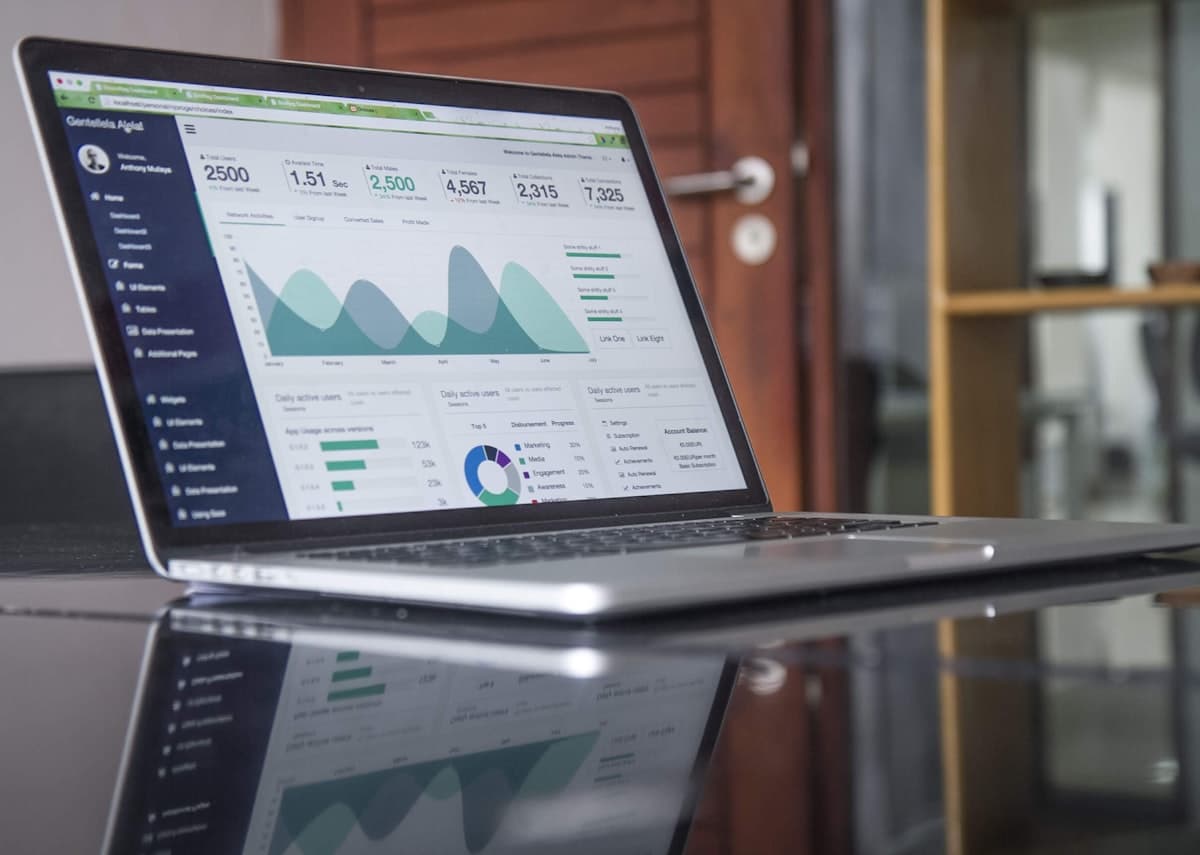
Extract business intelligence from your data without expensive enterprise systems.
You Already Have the Data
Most Malaysian SMEs believe business intelligence requires an expensive platform and a data team. It doesn't.
You're already generating the data. It's in your POS, your accounting package, your order system, and yes, your spreadsheets. The problem isn't collection. It's that nobody can see across it.
Here's how to fix that without an enterprise budget.
Why Reports Aren't Insight
Most SMEs have reports. Sales by month. Stock on hand. Aged receivables.
Reports tell you what happened. They rarely tell you what to do. The gap between them is the questions you can't currently answer:
- Which customers are actually profitable after delivery costs and payment delays?
- Which products look busy but earn nothing?
- What's the real lead time from enquiry to cash, and where does it stall?
- Which sales channel has the best margin, not the best revenue?
Every one of those requires combining data from more than one system. That's the whole problem in a sentence.
The Three-Layer Approach
You don't need a data warehouse to start. You need three layers, each of which can be built cheaply.
Layer 1: Get the data into one place
A single database that receives a nightly copy from each of your systems. Not real time — nightly is fine, and it's dramatically simpler.
Most business systems can export on a schedule or expose an API. Where neither exists, a scheduled report emailed to a mailbox that gets parsed automatically will do the job.
Cost: RM8,000 - RM25,000 depending on how many sources and how cooperative they're.
Layer 2: Agree what the numbers mean
This is the step everyone skips, and it's the one that decides whether anyone trusts the output.
Does "revenue" include or exclude SST? Is a sale recorded at order or at delivery? Does "active customer" mean bought in the last 90 days or the last 12 months?
If sales and finance answer differently, your dashboard will be argued with rather than used. Write the definitions down. Get them agreed in writing.
Cost: a few workshops. The most valuable unpaid work in the whole project.
Layer 3: Show it
Dashboards on top of the agreed definitions. Start with five numbers, not fifty.
Cost: RM10,000 - RM30,000 for a solid initial set, less if you use a tool your team already pays for.
The Five Numbers to Start With
For most Malaysian SMEs, these five earn their keep immediately:
- Gross margin by product line. Not revenue. Margin. This is where most owners get their first real surprise.
- Customer concentration. What share of revenue comes from your top five customers? If it's over 40%, that's a risk you should be actively managing.
- Cash conversion cycle. Days from paying your supplier to being paid by your customer. This number governs how fast you can grow.
- Order-to-delivery time, with the distribution. The average hides the problem. Look at the slowest 10%.
- Cost to serve by channel. Revenue per channel is easy. Profit per channel after delivery, returns, and support is the number that should drive where you invest.
Common Traps
Building fifty dashboards nobody opens. Five used dashboards beat fifty ignored ones. Track which ones actually get viewed and delete the rest.
Real-time everything. Real-time data costs several times more than nightly and is genuinely useful for maybe two metrics in an SME. Ask honestly whether a decision changes because a number is four hours fresher.
Vanity metrics. Total page views, total followers, total enquiries. If a number going up doesn't change what anyone does, it's decoration.
Ignoring the data quality problem. If two systems disagree about a customer's name, your "customers by region" report is fiction. Fix identity and matching early.
Buying the platform first. Choose the questions first, then the tool. The reverse order is how SMEs end up paying enterprise licence fees for a glorified spreadsheet.
Tooling, Honestly
For an SME under 200 staff, you can usually get very far with:
- A managed database — inexpensive and fully sufficient at your data volumes
- A scheduled job to pull from each source system
- A dashboard tool your team already knows, or a lightweight hosted one
- A properly designed spreadsheet for anything genuinely ad hoc
Enterprise BI platforms are excellent and almost always overkill below a few hundred staff. You'd be paying for governance features and scale you don't need yet.
The Real Prerequisite: Someone Has to Own It
Technology is the easy part. Analytics projects die when nobody owns the numbers.
You need one person who:
- Decides what the definitions are when two departments disagree
- Reviews the dashboards weekly, in a scheduled meeting
- Retires metrics that stopped being useful
- Is allowed to say "we aren't measuring that yet"
Without that person, you'll build a reporting system that slowly drifts out of alignment with the business until everyone quietly goes back to spreadsheets.
A Realistic Timeline
- Weeks 1-2: Agree the five questions that matter most. Write down the definitions.
- Weeks 3-6: Build the pipeline for the two or three systems those questions need.
- Weeks 7-9: Build the first dashboards. Show them to the people who will use them. Expect to be wrong about at least one.
- Week 10 onward: Weekly review. Add a metric only when someone asks for it twice.
Total realistic first-phase cost: RM25,000 - RM60,000, and you'll be making better decisions from about week seven.
The Short Version
You don't have a data collection problem. You have a data connection problem and a definitions problem.
Connect a few systems, agree what the words mean, show five numbers, and put one person in charge of them. That beats a six-figure platform that nobody trusts.
Want help working out which five numbers matter for your business? Get in touch — the first conversation costs you nothing but an hour.
Let's discuss your situation
Every business is different. Our team can help you figure out the best approach for your specific challenges.
Schedule a Free ConsultationLearn the technical details
Why Malaysian SMEs Need Custom Software (Not Another SaaS Subscription)
Off-the-shelf tools work until they don't. Here's when it makes sense to invest in custom software — and when it doesn't.
Security & Compliance in Automation: What Actually Matters
Cut through the compliance noise. Here's what really matters when automating sensitive processes.
Integration Without the Integration Costs
Connect your business tools and systems without spending a fortune on middleware.
Native vs Hybrid Mobile Development: Making the Right Choice
Build native apps or hybrid apps? The answer depends on your timeline, budget, and performance needs.