
Digital Transformation Doesn't Mean Replacing Everything
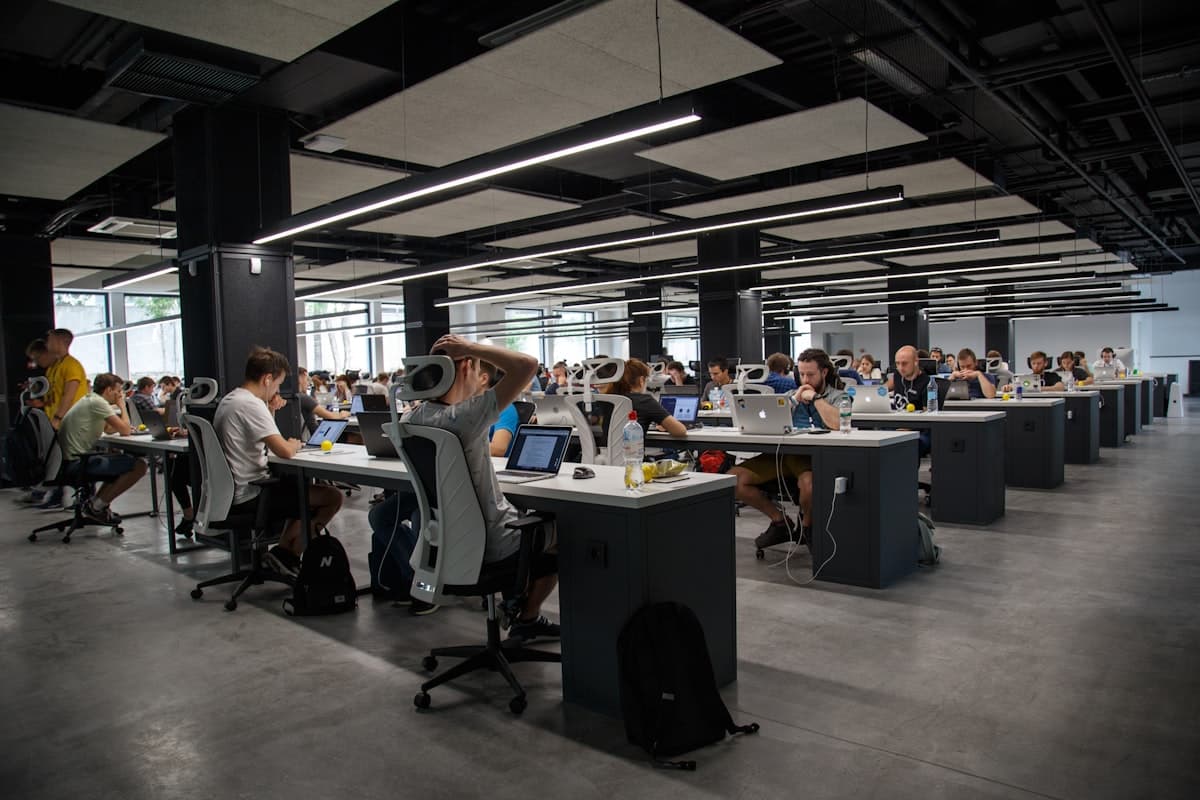
A pragmatic guide to modernizing your systems without the massive overhaul.
The Term Has Been Worn Out
"Digital transformation" has been used to sell so much unnecessary software that most Malaysian business owners now hear it as "expensive project that will disrupt everything for a year".
Fair enough. That's what a lot of them are.
But the underlying idea is sound, and it doesn't require replacing everything. Here's the pragmatic version.
The Rip-and-Replace Myth
The pitch goes: your systems are outdated, everything needs to be modern and integrated, here's a two-year programme and a large number.
Two problems with it.
First, it usually fails. Large replacement projects overrun on both time and budget far more often than they land. The bigger the scope, the worse the odds. This isn't a Malaysian problem, it's a universal one.
Second, it throws away things that work. Your twelve-year-old inventory system is ugly. It also encodes a decade of hard-won business rules that nobody has written down. Replace it wholesale and you'll spend a year rediscovering why it behaved the way it did.
What Actually Works: Fix the Seams
In most SMEs the individual systems are tolerable. The pain sits in the gaps between them.
Ask your team where the friction is and you'll almost always hear about the joins:
- "I export from the POS and import into accounting every Friday."
- "The warehouse system doesn't know what the website sold."
- "I retype customer details from the enquiry form into the CRM."
- "Month-end takes four days because I reconcile three systems by hand."
None of that requires new systems. It requires connecting the ones you already have.
Connecting systems typically costs a fraction of replacing them, and delivers most of the benefit.
A Practical Four-Stage Path
Stage 1: Map reality (1-2 weeks)
Write down every system, what data lives in it, and every point where a human moves information between two systems. That last list is your project backlog.
Do this before talking to any vendor. Most SMEs discover two or three systems nobody remembered they were paying for.
Stage 2: Close the worst gaps (1-3 months)
Rank the manual handoffs by hours consumed and error rate. Automate the top two or three. Nothing else.
This stage funds the rest of the programme. Get a visible win early or you'll lose the room.
Stage 3: Make the data trustworthy (2-4 months)
Once systems talk to each other, you can ask questions across them: which customers are profitable, which products actually move, where margin leaks away.
This is usually where the surprises are. Most owners discover at least one product line they believed was profitable and isn't.
Stage 4: Replace only what has earned it (ongoing)
Now — and only now — replace individual systems, one at a time, where there's a specific business case. By this point the integration layer already exists, so swapping one component is a contained job rather than a company-wide event.
What to Modernise First
Rough priority order for a typical Malaysian SME:
- Anything customers touch. Slow quotes, unclear order status, and clumsy payment are costing you revenue right now.
- Anything you do more than daily. Frequency multiplies waste.
- Anything that generates errors. Rework is invisible on the P&L and expensive in reality.
- Anything blocking a decision. If you can't see gross margin by product without three days of spreadsheet work, you're flying blind.
Notice that "the system that looks oldest" isn't on the list. Age alone isn't a reason.
Signals You Genuinely Do Need to Replace Something
Sometimes replacement is right. The honest indicators:
- The vendor has ended support, or has gone out of business
- It can't meet PDPA obligations and can't be made to
- It only runs on hardware or an operating system you can no longer buy
- Nobody left in the company knows how it works
- It physically can't handle your current transaction volume
If none of those apply, integration is almost certainly the better trade.
Budgeting Honestly
For a Malaysian SME with 20-100 staff, a sensible first year:
- Discovery and mapping: RM5,000 - RM15,000
- Two or three integrations: RM25,000 - RM70,000
- Reporting and dashboards: RM15,000 - RM40,000
- Realistic first year: RM45,000 - RM125,000
Compare that with the cost of a full ERP replacement and you can see why we push clients toward the incremental route.
The Part That Isn't About Technology
The projects that fail are rarely defeated by the software. They're defeated by:
- Nobody senior actually owning the outcome
- Staff not being trained, then blamed for not adopting
- Scope growing every month because there's no clear stopping point
- No measurement, so nobody can say whether it worked
Pick one person who is accountable. Define what success looks like in numbers before you start. Train people properly. Stop when you hit the goal.
The Short Version
Digital transformation isn't a purchase. It's a sequence of small, boring, measurable improvements — mostly at the seams between systems you already own.
Do the cheap high-value work first. Let the results fund the next step. Replace things only when they have genuinely earned replacement.
Want a second opinion before you sign a large proposal? Send us the scope. If the vendor is right, we'll say so. If half of it's unnecessary, we'll say that too.
Let's discuss your situation
Every business is different. Our team can help you figure out the best approach for your specific challenges.
Schedule a Free ConsultationLearn the technical details
Why Malaysian SMEs Need Custom Software (Not Another SaaS Subscription)
Off-the-shelf tools work until they don't. Here's when it makes sense to invest in custom software — and when it doesn't.
Legacy System Modernization: When to Rebuild vs. Refactor
Should you rebuild from scratch or gradually modernize? The real cost comparison for Malaysian SMEs.
Data-Driven Decision Making Without the IT Headaches
Extract business intelligence from your data without expensive enterprise systems.
Security & Compliance in Automation: What Actually Matters
Cut through the compliance noise. Here's what really matters when automating sensitive processes.